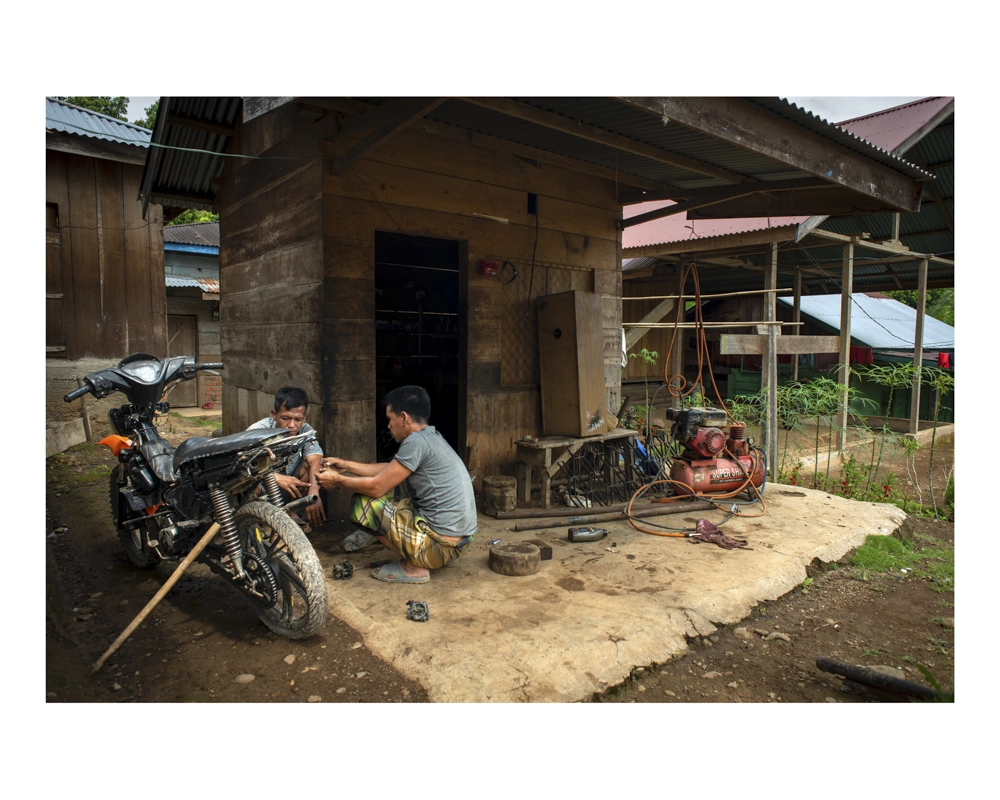
In the cases of the commodity value chains discussed, all share similar challenges: volatility of the international market prices, distance and road infrastructure, and conventional supply chains dominated by a limited number of middlemen (tauke). Due to the barrier of transport from their village to farm (which often makes it more expensive than channelling their goods from the village to the regional market), smallholder plantation can become a disincentive for farmers to work on their land. For farmers and farm workers that have limited access to capital and technology, relying on a regional or global value chain can prove to be a challenge. However, capturing value downstream, by processing the commodities into branded products with premium prices, may not be the best solution, considering the fact that rural communities often have limited access to information and market as well.
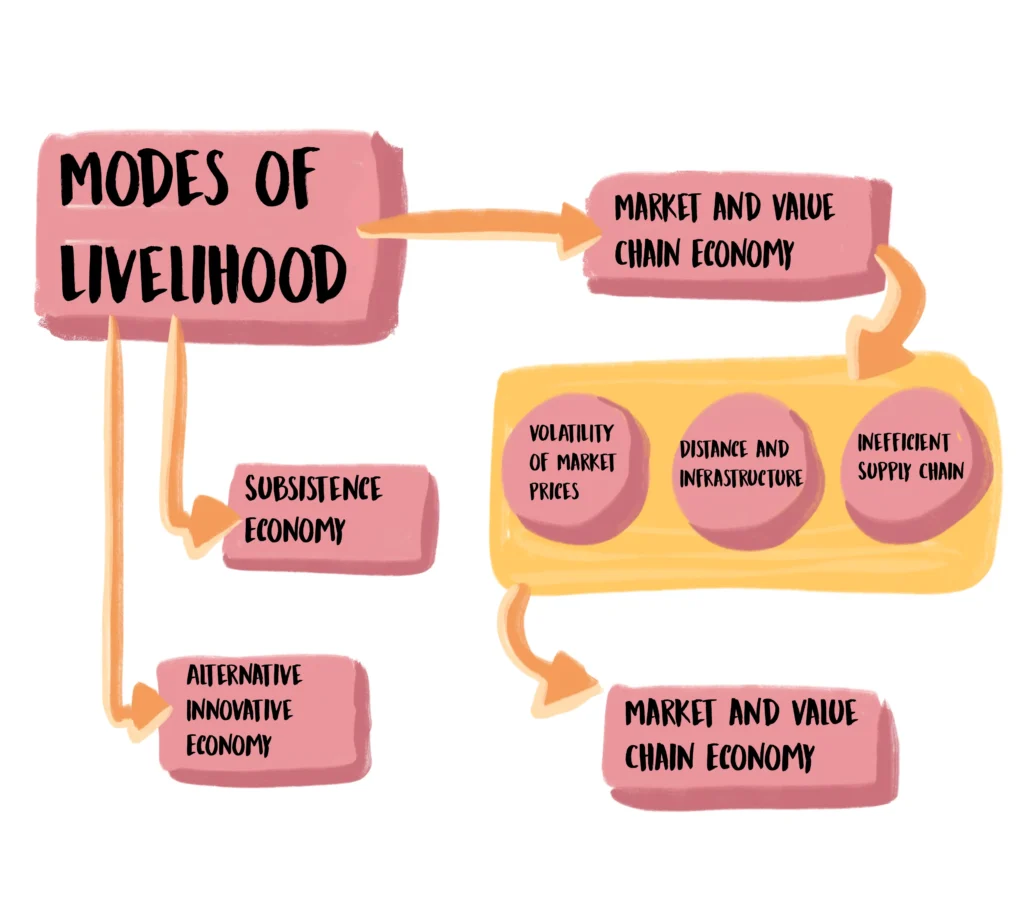
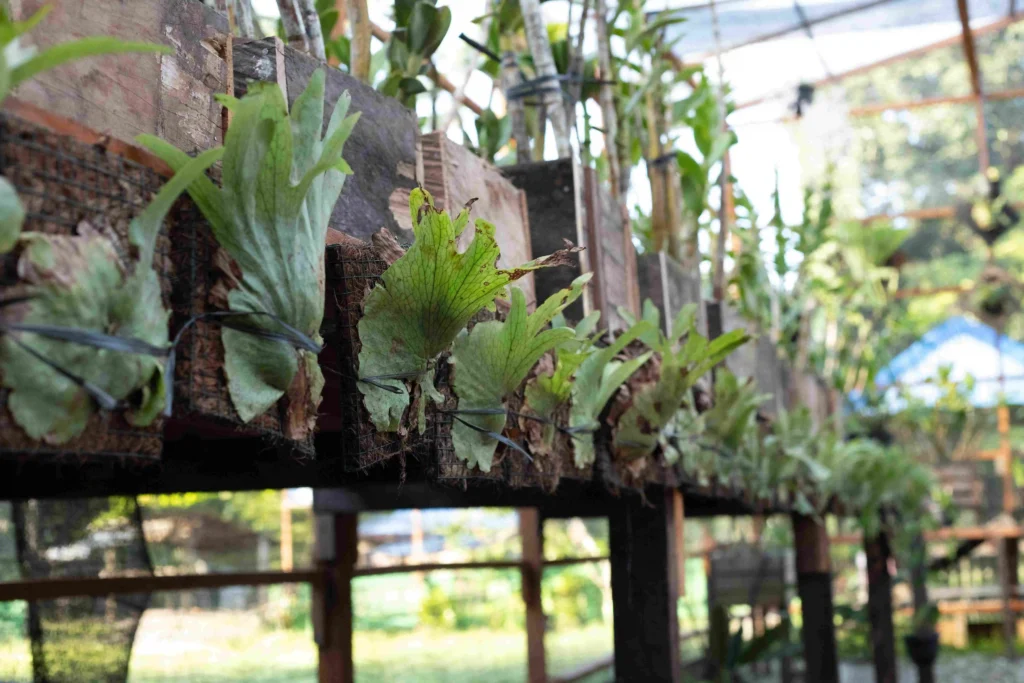
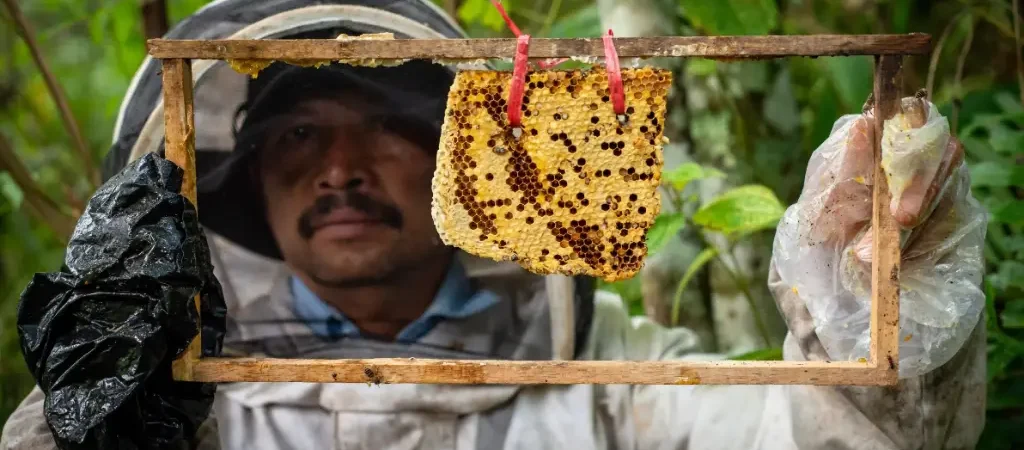
It is no surprise that the smallholder farmers in Jambi and Papua build a diversity of livelihood that rely not only on land-based products, but also on a spectrum of income sources, including off-farm income, remittance (from working as a migrant worker), and various forms of creative economies. This is what Jeffrey Neilson (2023) identifies as a fortress farming – an economy supported by cash crops as a financial buffer and savings, but upon which different livelihood strategies are then built. The implication to intervention strategy is simple: rather than pushing these community groups to advance into the global value chains by providing high quality cash crops, we might instead build as many economic and cultural spaces as possible, including through creative economies. The villages in Jambi and Papua offer exemplary lessons to learn.