
Latest posts
-
Livelihood strategies in Papua and Jambi
In our study, Social-Ecological Systems (SES) manifest in the closely intertwined relationship between people and forest (or agroforest) ecosystems. Forests in Papua and Jambi cover 78% and 43% of the total area of each province, respectively, with highly diverse, but quite fragmented ecosystem types. The village communities living around forests coexist and manage forest resources
-
Integrating Livelihood with Markets and Complex Value Chains (8)
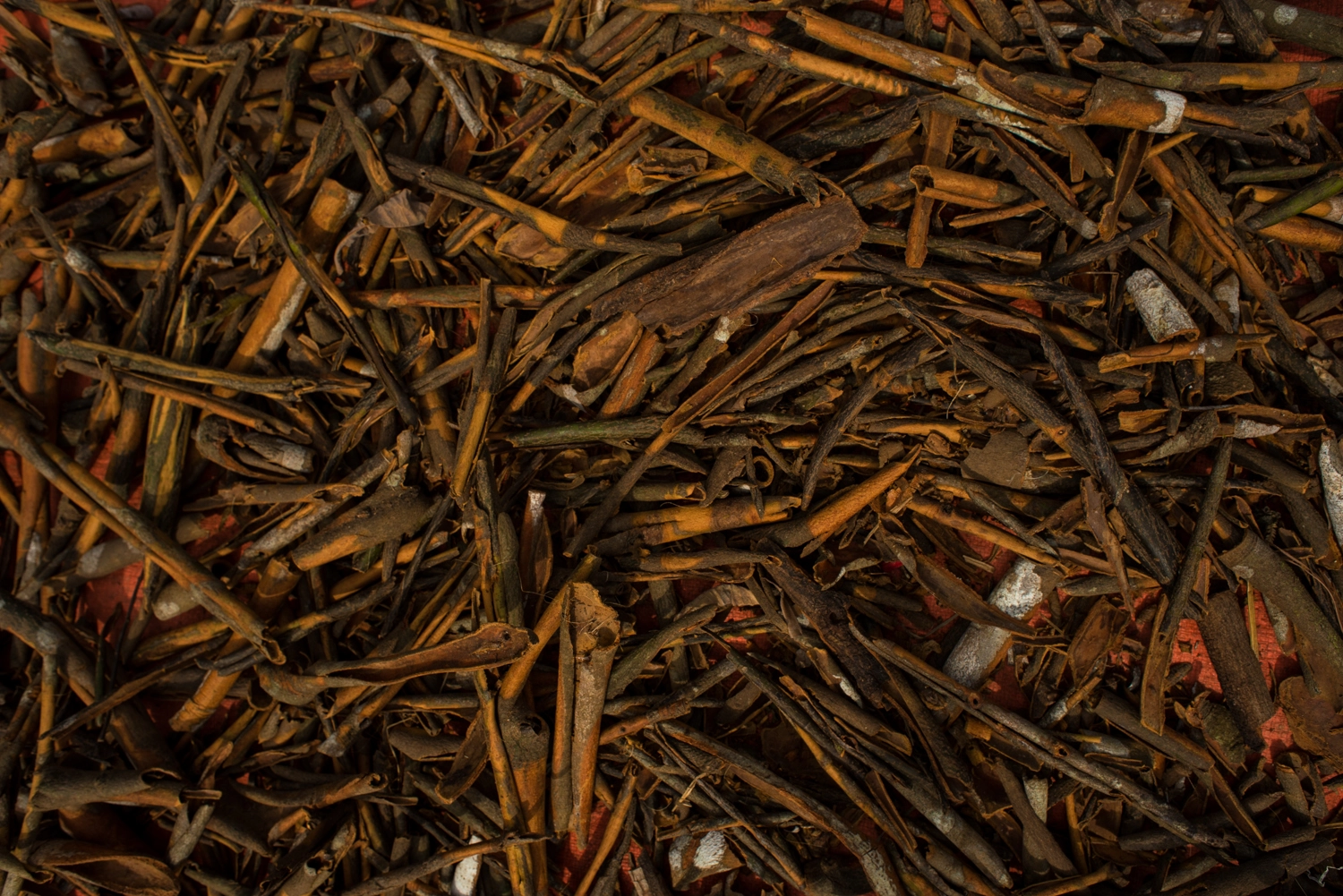
Cinnamon Cinnamon is used as a long-term crop by the communities in the three villages in Jambi and is usually harvested after more than 6 years of age. Cinnamon began to be planted in Durian Rambun around the 1980s, while farmers in Sungai Keradak had only begun planting cinnamon in 1993 when the international price
-
Integrating Livelihood with Markets and Complex Value Chains (7)
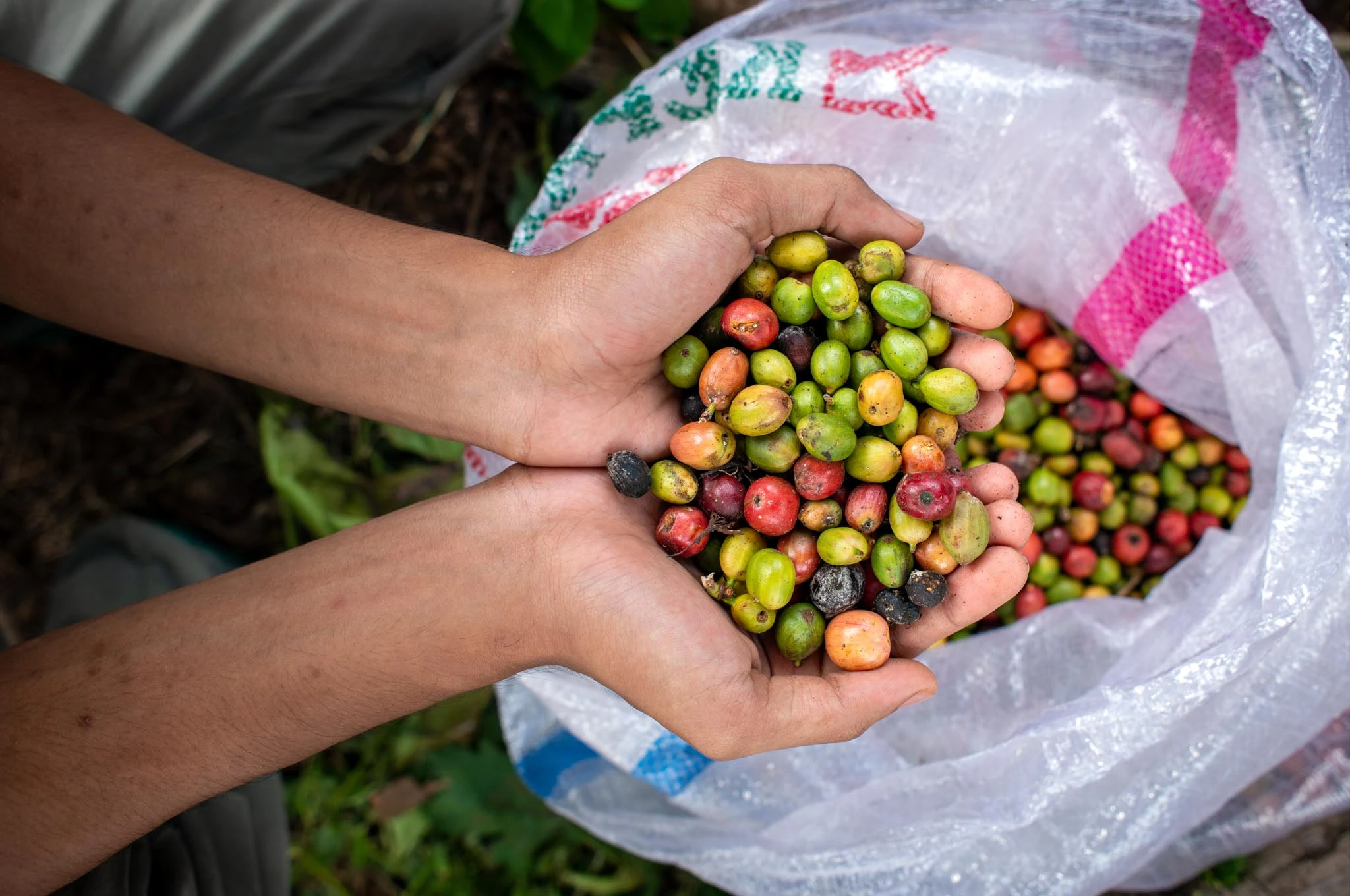
Coffee Coffee is an important cash crop for many farmers in Jambi, including in Durian Rambun, Sungai Keradak and Tamiai villages. Robusta Coffee began to be planted in Durian Rambun in 1997, brought by a resident who had lived in Nilo Dingin Village, Masurai Valley Sub-district. The success of coffee farmers from Nilo Dingin Village
-
Integrating Livelihood with Markets and Complex Value Chains (6)
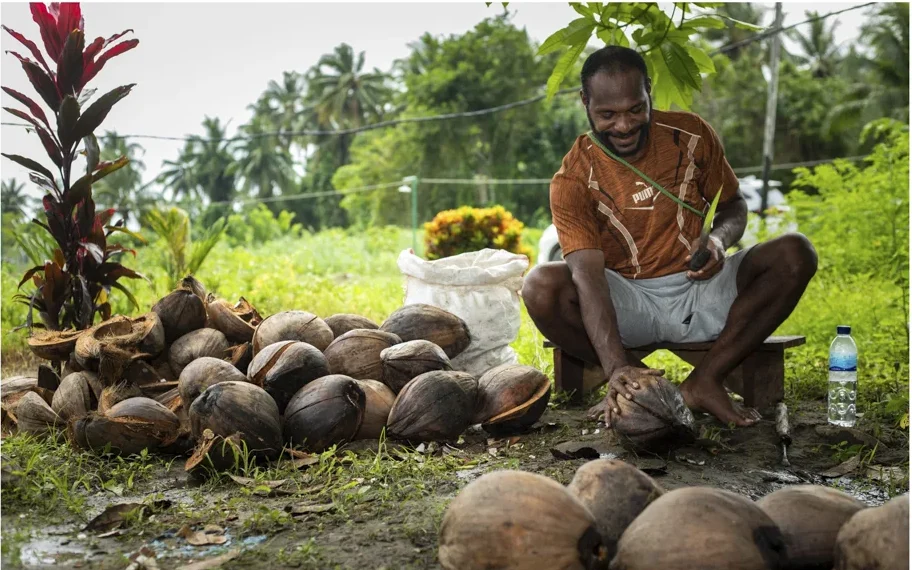
Virgin Coconut Oil (VCO) Coastal ecosystems dominated by coconut trees in Aruswar have huge potential for market development. As with other coconut-producing regions in Indonesia, coconut in Aruswar has always been integrated to the copra value chain. The price of one kilogram of copra is around Rp 2,500-3,000. People in Aruswar sell copra only to
-
Integrating Livelihood with Markets and Complex Value Chains (5)
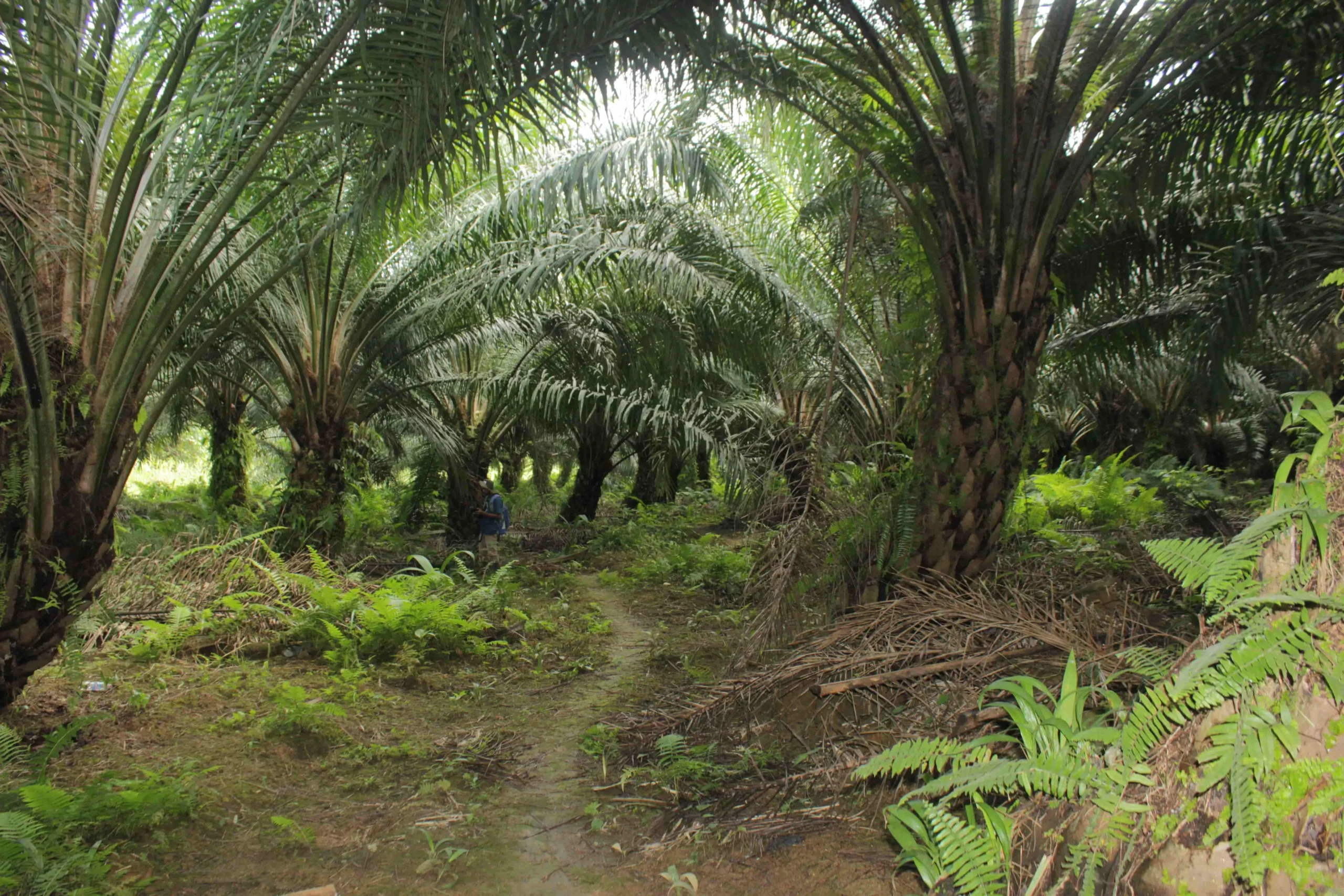
Oil Palm Plantation When we raise our concern about the good and the bad of market integration and access, we look specifically, among others, at the growing oil palm plantation in Sawesuma. Since 2009, an oil palm company entered the Sawesuma Village area through their negotiations with clan leaders, and through the support of the
-
Integrating Livelihood with Markets and Complex Value Chains (4)
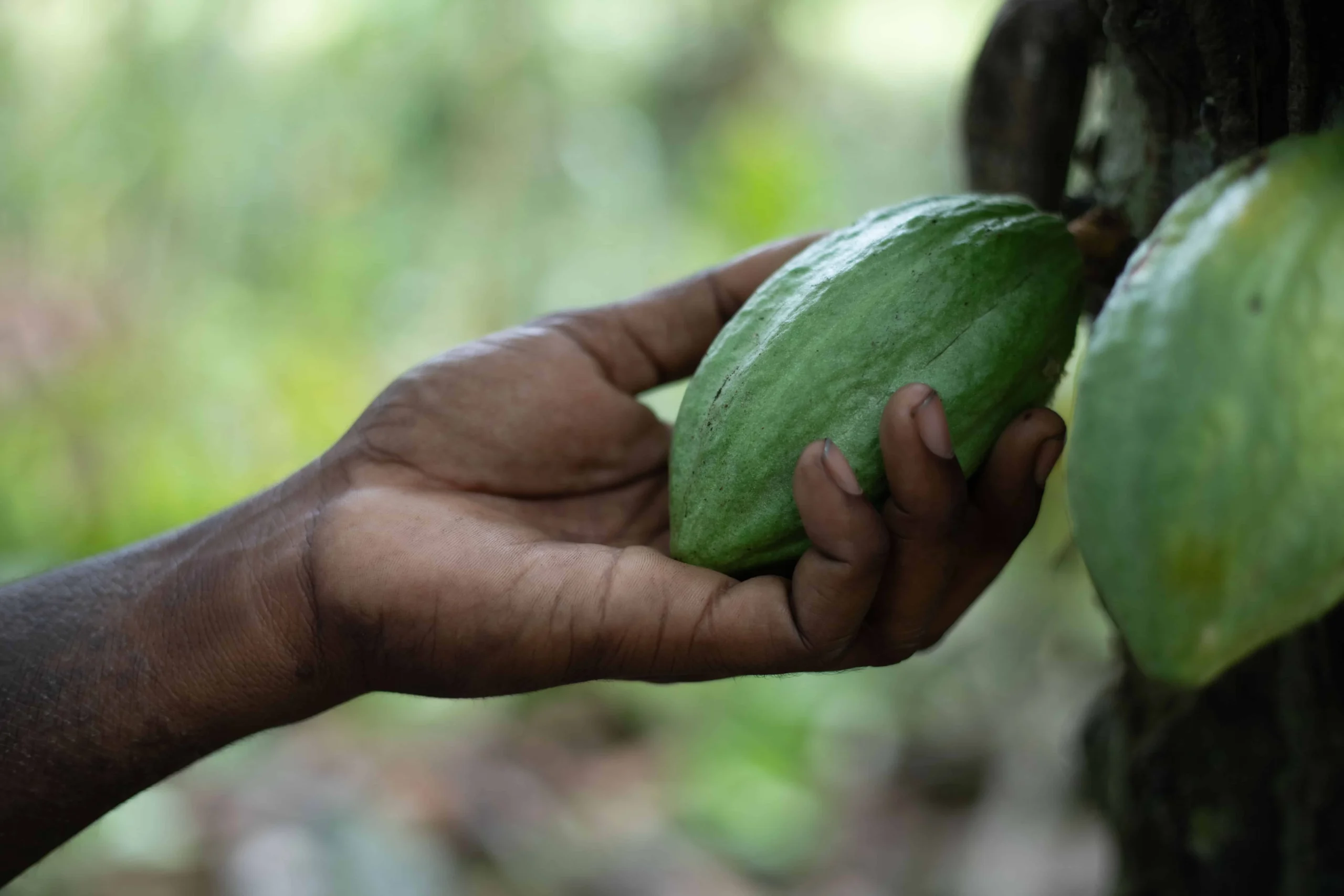
Cocoa Farming The village of Soaib has a fairly large smallholder cocoa plantation of 68 hectares (ha), owned by 68 people who are incorporated in a farmers’ group named Srukumani, with each member managing in average a hectare of land. This cocoa plantation has also been supported by the Jayapura Regency Government program since 2006.
-
Integrating Livelihood with Markets and Complex Value Chains (3)
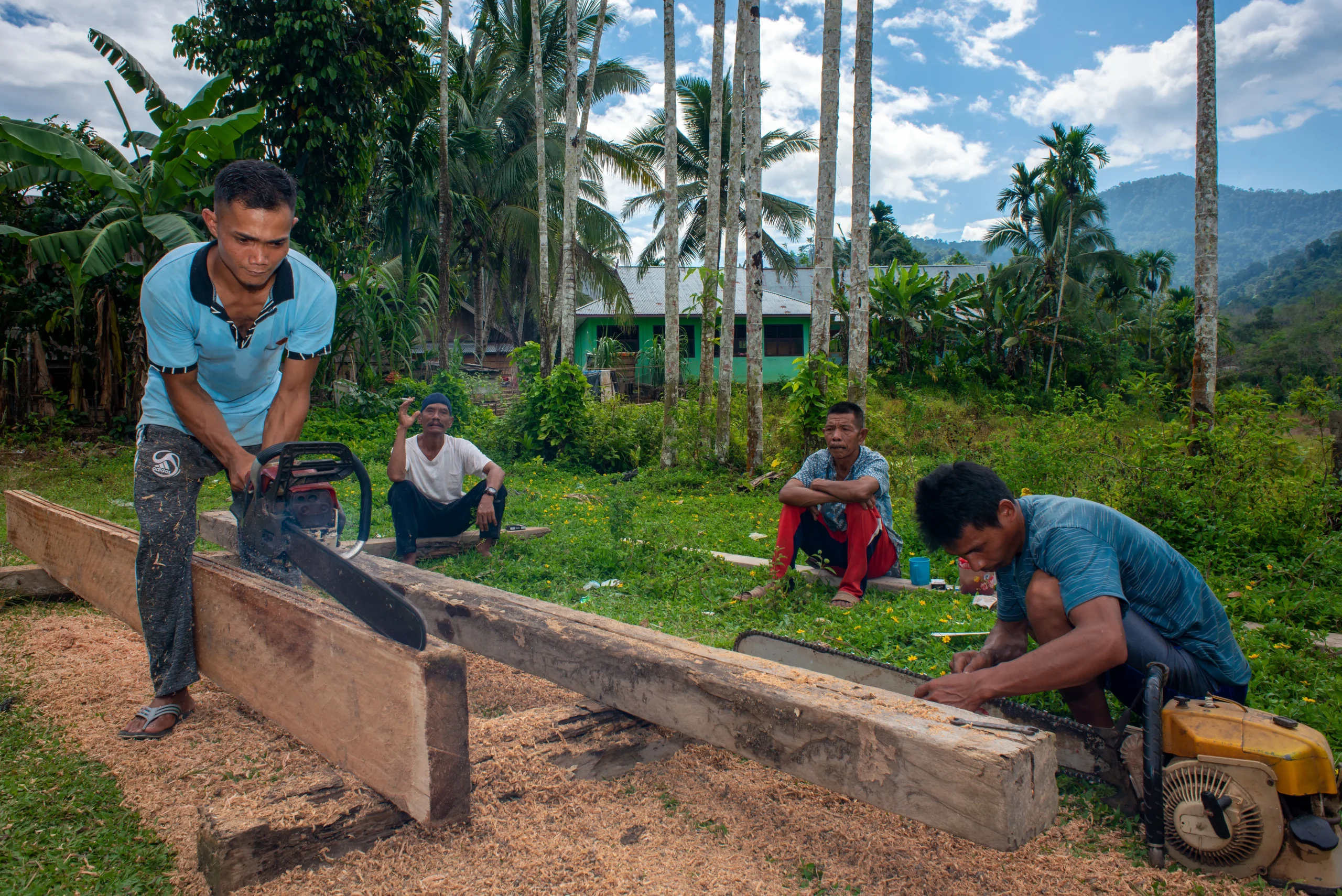
Community Logging Community logging. In Soaib, we interviewed a particular clan, Kiambe, that makes a living from timber harvesting. Like many other clans, the Kiambe manage a vast forest area through their customary rights. However, while others perhaps see this extensive resource as their saving and ecological buffer, the Kiambe has developed ways to extract
-
Integrating Livelihood with Markets and Complex Value Chains (2)
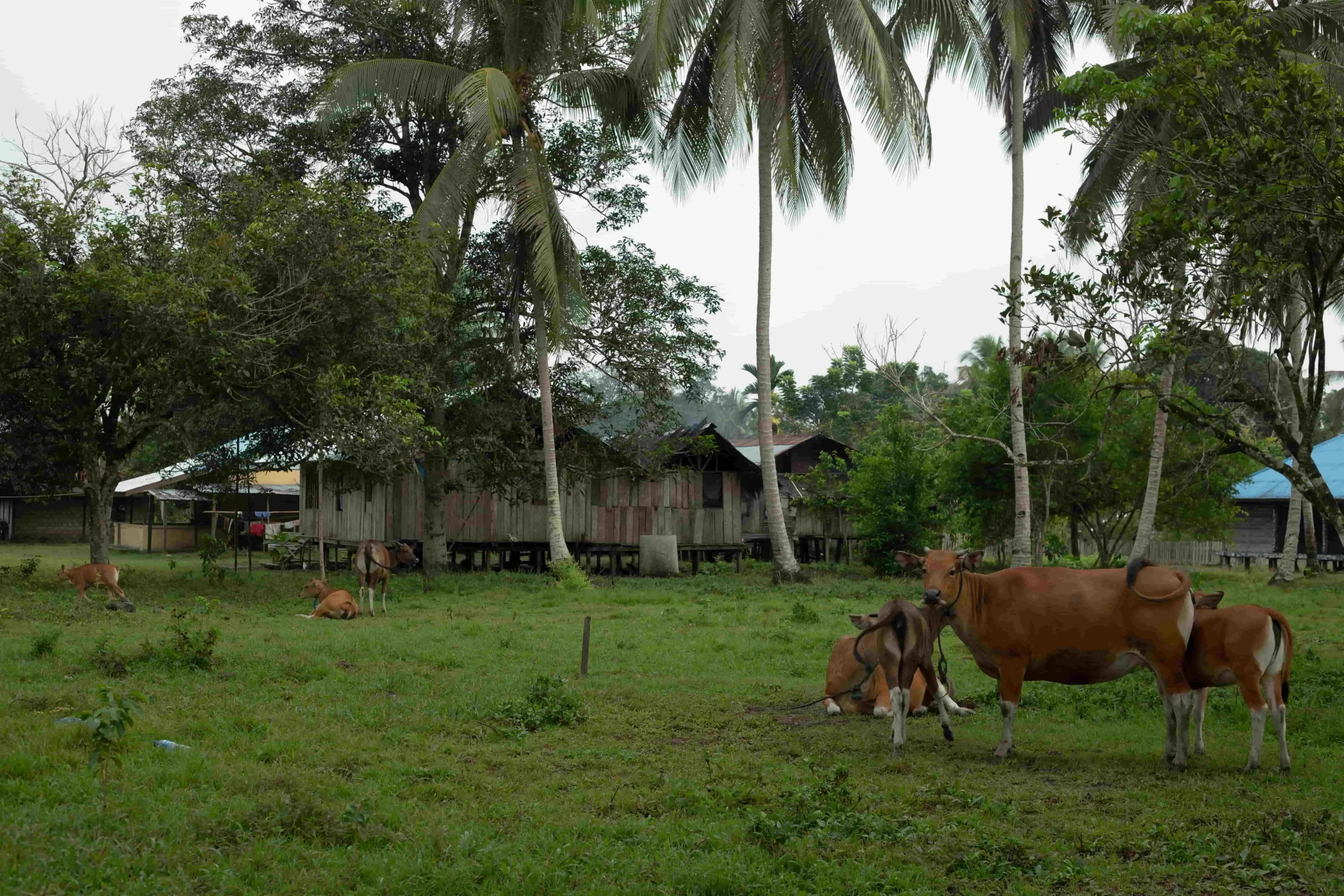
Livestock The relatively new road connectivity also transformed the way in which people see assets and investments. In the three villages in Papua, forest is still seen as vast resources and their buffer against future uncertainties. Some who raised livestock like pigs and chickens mainly saw this as ways to provide protein to their diets.
-
Integrating Livelihood with Markets and Complex Value Chains (1)
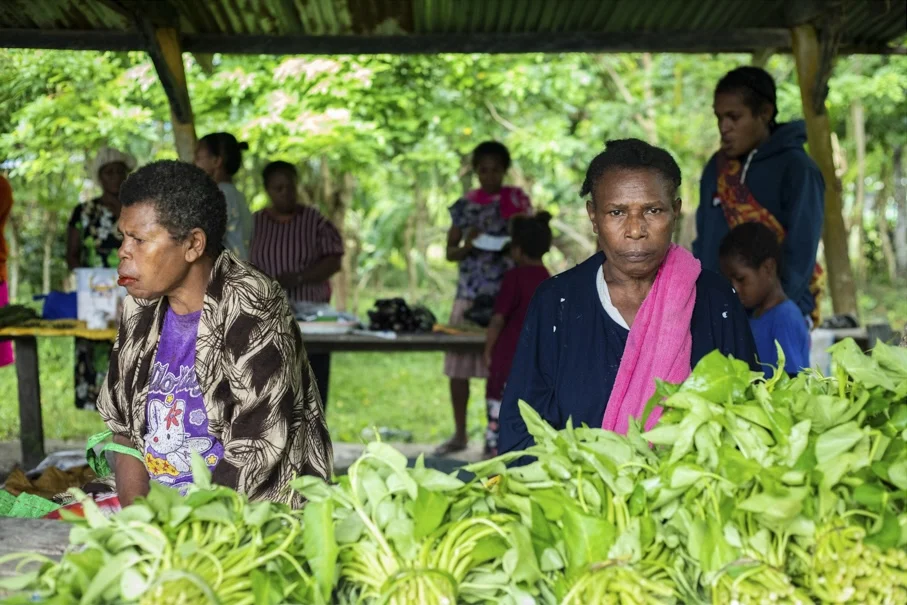
Livelihood strategies depend not only on the resources available locally and the social collective values practiced, but also on the extent to which these communities and resources are connected to the broader market systems through both infrastructure and connectivity (Wiegand et al., 2017). Roads that connect villages in Papua with the nearest city or immigration
-
Building a diversity of livelihood
In the cases of the commodity value chains discussed, all share similar challenges: volatility of the international market prices, distance and road infrastructure, and conventional supply chains dominated by a limited number of middlemen (tauke). Due to the barrier of transport from their village to farm (which often makes it more expensive than channelling their