
Cocoa Farming
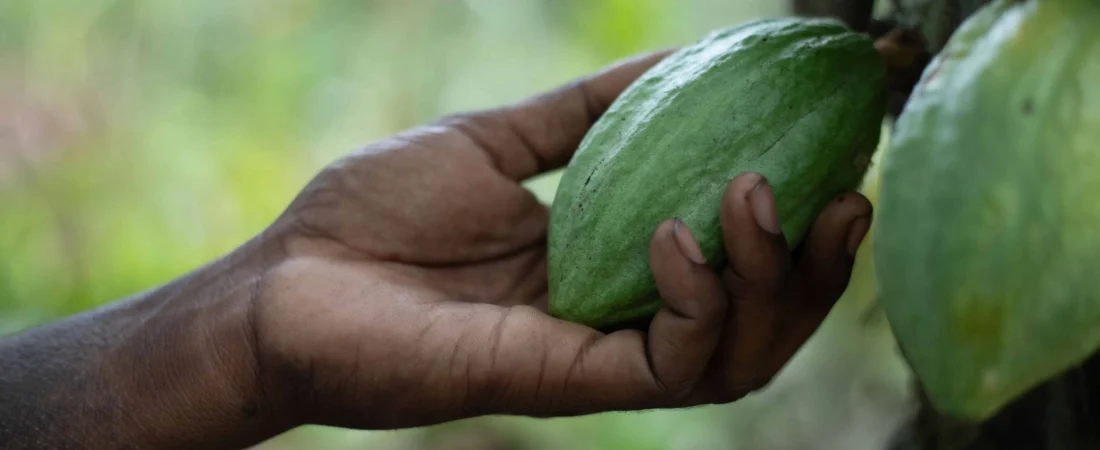
The village of Soaib has a fairly large smallholder cocoa plantation of 68 hectares (ha), owned by 68 people who are incorporated in a farmers’ group named Srukumani, with each member managing in average a hectare of land. This cocoa plantation has also been supported by the Jayapura Regency Government program since 2006. Cocoa smallholder plantations in Jayapura Regency, however, stretch way back to the era when the Dutch entered Papua in the early 1900s, during which several areas in Jayapura Regency were converted into cocoa plantations, one of which is the cocoa plantation in Soaib. Since 2012, the World Wildlife Fund for Nature (WWF) has introduced cocoa bean fermentation technology to increase the value of cocoa. In that year, cocoa farmers in Soaib were successful and already had their own supply chain for their cocoa. Srukumani’s cocoa beans were once exported to the Netherlands and Switzerland. Currently, cocoa plantations in Soaib are plagued by problems in the form of cocoa pests that damage the pods. Some of the cocoa farmers are overwhelmed with the situation and choose to abandon their plantation altogether.
There are various problems and constraints in cocoa development in Soaib, which have led to a decline in production and low cocoa quality. The decline in production is caused by two main factors: (1) declining area of producing crops; (2) declining cocoa productivity due to lack of plant maintenance and pest and disease attacks. The low quality of cocoa beans is mainly due to poor post-harvest processing, especially fermentation. Strategies to increase cocoa bean production and quality requires harmonization of policies and their implementation from upstream to downstream by involving all relevant parties, and at the same time encouraging partnerships between cocoa farmers and the cocoa processing industry.