Livestock
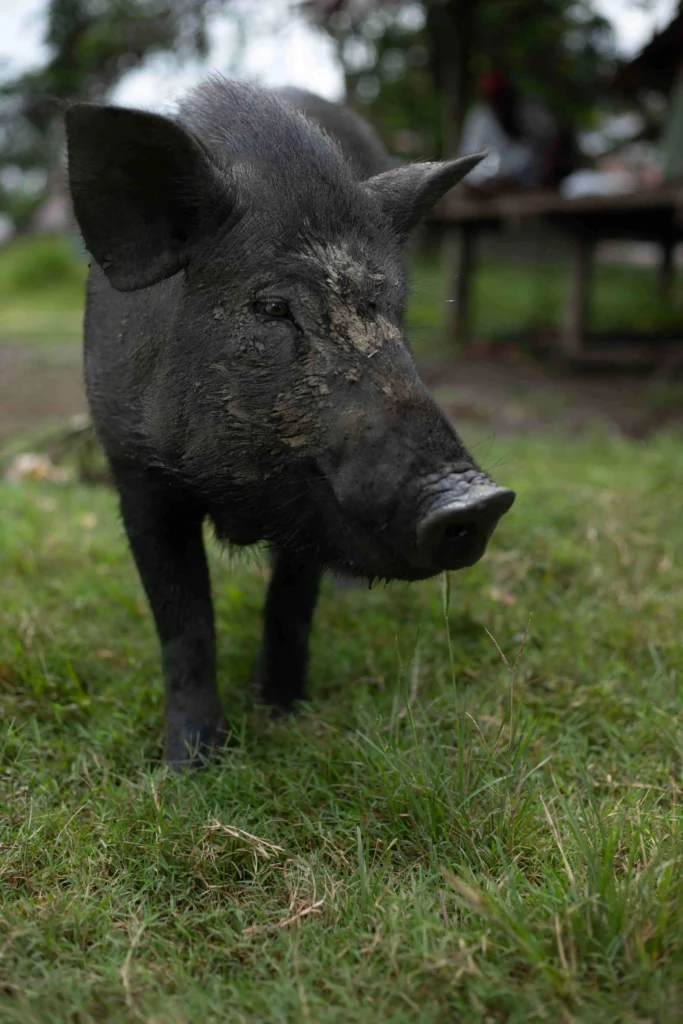
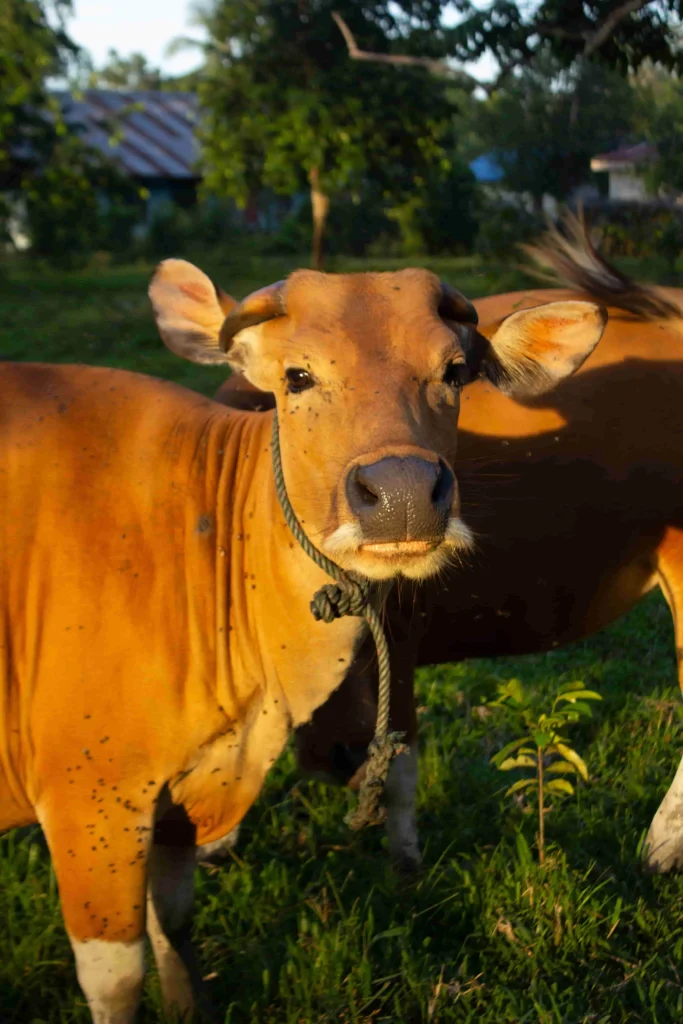
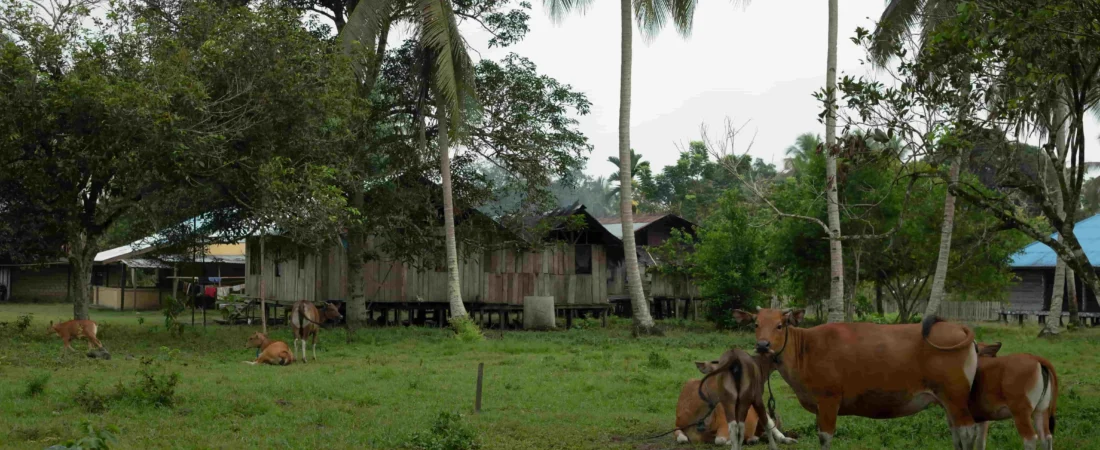
The relatively new road connectivity also transformed the way in which people see assets and investments. In the three villages in Papua, forest is still seen as vast resources and their buffer against future uncertainties. Some who raised livestock like pigs and chickens mainly saw this as ways to provide protein to their diets. However, it was not until the 1970s when the government introduced cattle to people in the Grime Valley, including Soaib, that people began to see livestock as another form of savings. Cattle roam freely and graze on the vast area of the village, across the grassland ecosystem that supports this way of raising cattle.
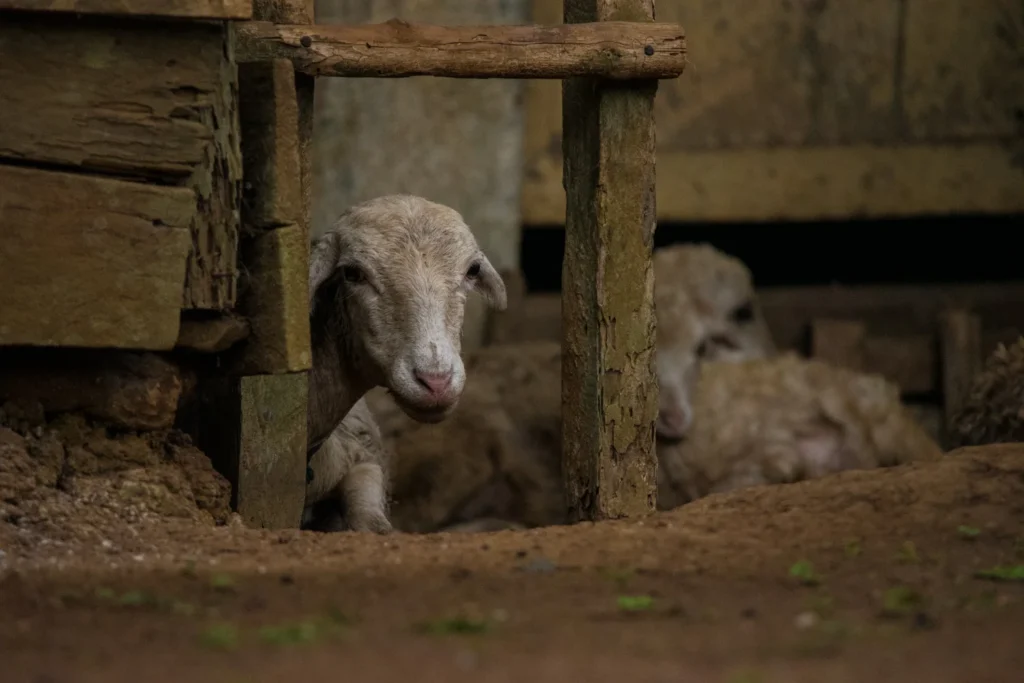
Cattle have a wider market in cities in Papua, especially during Eid al-Adha (a Muslim holiday). About 25% of people in Soaib own cows. They see cattle as, in their terms, a walking money. Cattle can be sold for immediate needs, as in other forms of savings. Middlemen can easily be called to sell their cows, and these middlemen would then channel the cows to buyers in larger markets in Sentani or Nimbokrang. In addition to cows, pigs also have a cultural value, such that they are used as dowry in marriage and consumption at traditional feasts. The same holds true with the communities in Jambi that also rear sheep, goats and cows for the Muslim holiday.